Option 01
On-Grid Solar Inverters
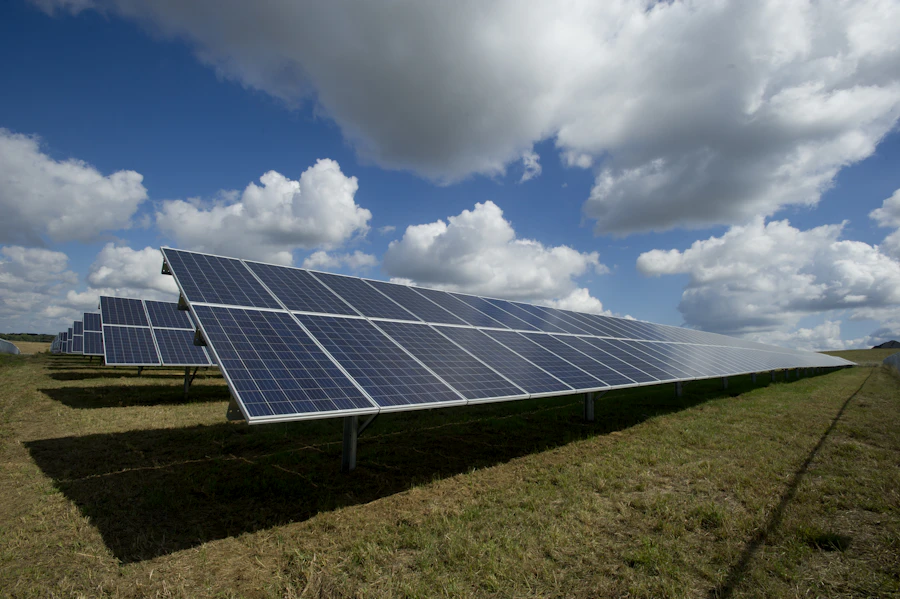
Designed for solar systems connected to the electricity grid. Grid-interaction, export settings and required approvals should be checked for the installation location.
Enquire about on-grid systems →
Explore inverter options for residential rooftops, commercial facilities and industrial solar projects. Techberry Solar can help you understand system types, sizing considerations and compatibility before you choose equipment.

A solar inverter converts the direct current (DC) produced by solar panels into alternating current (AC) used by many household and business appliances. Depending on the design, it may also manage grid interaction, battery charging and energy monitoring.
The right choice depends on your installation, electricity usage, local connection requirements and whether backup power or battery storage is needed.
These are common system categories. The suitable configuration depends on the site's grid connection, backup goals, electrical loads and approved equipment specifications.
Designed for solar systems connected to the electricity grid. Grid-interaction, export settings and required approvals should be checked for the installation location.
Enquire about on-grid systems →
Used in systems designed to operate without a utility-grid connection. Battery storage, load demand and expected autonomy are key sizing considerations.
Explore battery options →
Can combine solar generation, grid power and compatible battery storage. Confirm battery compatibility, backup output and supported operating modes for each model.
Discuss a hybrid system →Inverter selection should be based on the complete system design, not only on a headline wattage or price.
Review solar array capacity, expected generation, load demand and inverter input limits.
Determine whether an on-grid, off-grid or hybrid arrangement suits the site.
For storage systems, verify supported battery chemistry, voltage and communication protocols.
Check mounting location, ventilation, protection rating, temperature and access requirements.
Solar requirements differ by site type, operating hours, electrical loads and continuity needs. A site-specific assessment helps identify the system configuration and components to review.
Request a Site Visit ↗Review household consumption, rooftop array size and backup expectations.
Consider business operating hours, daytime demand and grid connection needs.
Assess machinery loads, electrical design, site conditions and expansion plans.
Check how the inverter, solar panels and compatible batteries work together.
Share your site details and project goals so the system configuration can be reviewed against your requirements.
Share the location, proposed solar capacity, current electrical setup and the loads you want to support.
Consider inverter type, array sizing, grid requirements, backup needs and any battery integration.
Discuss available equipment, installation scope, product specifications and potential financing routes.
Talk to Techberry Solar about inverter options for your home, business or industrial project.
Here are a few common questions to help you begin. Final selection and installation should follow manufacturer documentation and applicable technical requirements.
Ask us a question →A solar inverter converts DC electricity generated by solar panels into AC electricity for compatible electrical loads. Some models also manage grid interaction, battery charging and monitoring.
On-grid systems operate in coordination with the utility grid; off-grid systems are designed to operate independently and commonly use storage; hybrid systems can integrate multiple energy sources, often including batteries. Exact features vary by model.
Many standard grid-tied systems shut down during a grid outage for safety. Backup power requires equipment and system design specifically configured for that purpose. Confirm the capability with the product manufacturer and installer.
Consider the solar array size, expected DC input, load profile, phase requirements, site conditions and manufacturer sizing rules. A qualified system designer can assess the appropriate configuration.
No. Check the inverter model's supported battery types, voltage range, charge limits and communication requirements before pairing equipment.
You can explore the Solar Loans page for information about potential financing routes. Eligibility, terms and approvals depend on the lender, scheme and project.